
In today's fast-paced automotive industry, the efficiency of an auto repair shop is of critical importance. Powerful ERP (Enterprise Resource Planning) software like CATAMA can help optimize every aspect of operations. These software solutions integrate various business processes, from order intake and inventory management to invoicing.
Automating and centralizing these processes not only reduces the likelihood of errors but also speeds up response times to customer inquiries. In an era where customers expect fast and accurate service, efficient ERP software is an indispensable tool. Furthermore, a well-implemented ERP solution provides a comprehensive view of all business operations.
By analyzing data and key performance indicators, repair shops can make informed decisions that help improve service quality and boost customer satisfaction. The importance of such software cannot be overstated, as it not only streamlines internal processes but also strengthens the repair shop’s competitive position in the market.
Key Takeaways
- Efficient auto repair shop ERP software is essential for smooth operations and increased efficiency.
- Optimizing your operations with ERP software offers benefits such as time and cost savings, as well as improved workflows.
- When selecting the right ERP software, factors such as user-friendliness, functionality, and scalability should be taken into account.
- Implementing the software and training your staff are crucial to the successful use of ERP software in an auto repair shop.
- Integrating accounting and inventory management into the ERP software enables comprehensive business management and greater control.
The Benefits of Optimizing Your Operations
Optimizing an automotive business through the use of ERP software offers numerous benefits. First and foremost, it increases efficiency by automating manual processes and eliminating redundant tasks. This results in significant time savings, allowing employees to focus on value-added activities.
In addition, the error rate is minimized, which leads to higher-quality services and ultimately increases customer satisfaction. Another benefit is improved transparency within the company. With a central database, all employees have access to relevant information, which promotes collaboration and reduces misunderstandings.
The ability to access real-time data enables repair shops to respond quickly to changes in the market or in demand. This flexibility is crucial to a company’s long-term success in the dynamic automotive industry.
Selection Criteria for the Right ERP Software
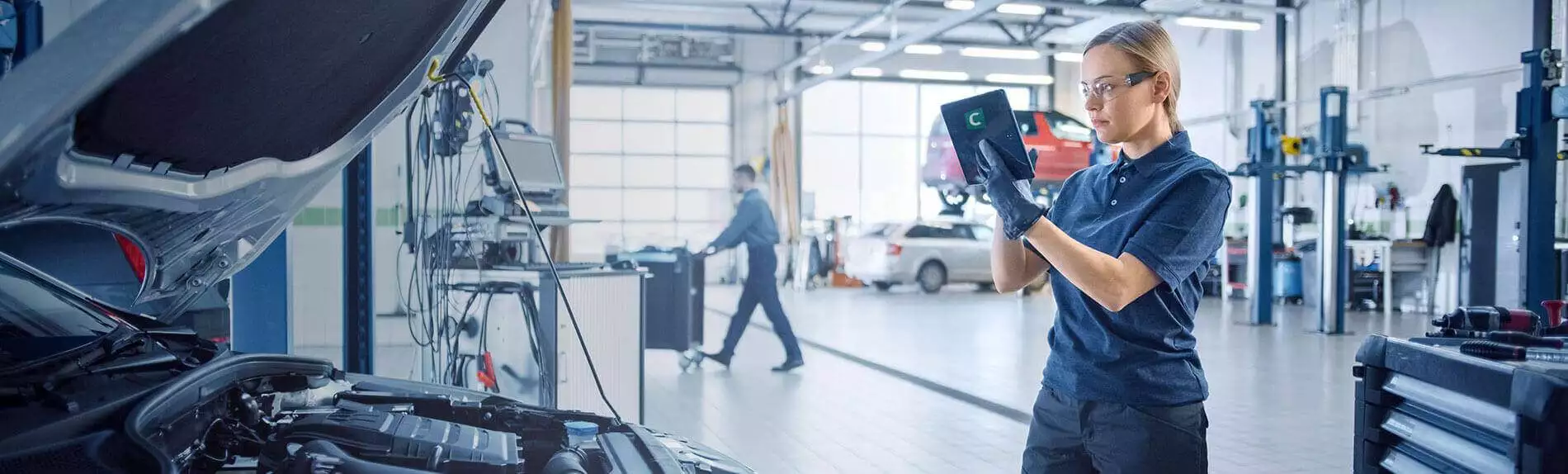
When selecting the right ERP software for an auto repair shop, there are several criteria to consider. First, the software should be tailored to the specific needs of the business. A solution designed for a large repair shop may not be suitable for a small business.
That is why it is important to choose software that is scalable and can adapt to the company’s growth. Another key factor is the software’s user-friendliness. An intuitive user interface makes it easier for employees to use the system and reduces the need for training.
In addition, the software should offer comprehensive features that cover all relevant areas, such as order management, customer management, and financial accounting. Finally, the provider’s technical support is also a crucial factor; reliable support can be critical in the event of problems or questions.
Implementation and training for your employees
| Metric | Data |
|---|---|
| Number of systems implemented | 10 |
| Number of trained employees | 50 |
| Average training duration per employee | 8 hours |
| Implementation period | 6 months |
Implementing new ERP software requires careful planning and preparation. First, all relevant stakeholders should be involved in the process to ensure that the software meets the needs of all departments. A thorough analysis of existing processes can help identify weaknesses and address them effectively.
It is advisable to establish a clear implementation schedule and set milestones to track progress. Training employees is another crucial step in the implementation process. Comprehensive training ensures that all employees are familiar with the new software and can use its features effectively.
This can be achieved through workshops, online courses, or individual training sessions. A well-trained workforce is not only more productive but also helps foster acceptance of the new technology.
Integration of Accounting and Inventory Management
Integrating accounting and inventory management systems into ERP software is essential for the smooth operation of an auto repair shop. This integration allows all financial transactions to be recorded automatically, significantly reducing administrative overhead. Invoices are generated directly from the system and sent to customers, while all income and expenses can be tracked in real time.
In addition, integrated inventory management enables precise tracking of spare parts and materials. Repair shops can monitor inventory levels in real time and place reorders in a timely manner before shortages occur. This efficiency not only helps control costs but also improves the speed and quality of service for customers.
Workflow automation

The automation of workflows is a key benefit of using ERP software in automotive repair shops. Routine tasks such as scheduling appointments, invoicing, or sending reminders to customers can be automated, saving valuable time. This automation allows employees to focus on more complex tasks that require human intervention.
Another benefit of automation is the reduction of human error. Standardized processes minimize the risk of errors, leading to higher-quality services. In addition, automated reports can be generated that provide key performance indicators for the company, thereby supporting informed decision-making.
Improving customer communication
Effective customer communication is essential to the success of any auto repair shop. ERP software can help improve this communication by providing centralized information on customer inquiries and history. With a comprehensive CRM (Customer Relationship Management) module, repair shops can create personalized quotes and run targeted marketing campaigns.
In addition, an integrated communication platform enables employees to respond quickly to customer inquiries and provide information in a timely manner. Automated notifications regarding the status of repairs or maintenance keep customers informed and increase their satisfaction. Transparent communication fosters trust between the repair shop and the customer and can strengthen long-term customer relationships.
Operational Data Analysis and Reporting
Analyzing operational data is a key factor in the continuous improvement of an auto repair shop. With powerful ERP software, repair shops can collect and analyze extensive data on their operations. This data analysis enables operators to recognize trends, identify weaknesses, and implement targeted measures for optimization.
Regular reporting on key metrics such as revenue, costs, and customer satisfaction provides valuable insights into the company’s performance. This information is not only important for management but also for strategic planning and decision-making. By making data-driven decisions, repair shops can improve their efficiency and ensure their long-term competitiveness.
Security and Data Protection in Automotive Workshop ERP Software
In an era of growing cyber threats, data security in auto repair shops is of the utmost importance. A reliable ERP system should therefore implement comprehensive security measures to protect sensitive information. These include data encryption, regular backups, and access controls to prevent unauthorized access to confidential data.
In addition, repair shops must ensure that they comply with all applicable data protection regulations. The collection and processing of personal data must be transparent and clearly communicated to customers. Responsible data handling not only strengthens customers’ trust in the repair shop but also protects the business from legal consequences.
Ongoing development and updates
The automotive industry is constantly evolving, whether due to technological innovations or changing market conditions. Therefore, it is important that ERP software is continuously updated to meet current requirements. Regular updates ensure that new features are implemented and existing issues are resolved.
A proactive approach to software development enables workshops to stay up to date and continuously optimize their processes. ERP software providers should therefore communicate a clear plan for future developments and ensure that their customers can benefit from these improvements.
Cost-benefit analysis and ROI assessment
Finally, it is important to conduct a cost-benefit analysis to assess the return on investment (ROI) of ERP software for an auto repair shop. The initial investment in software licenses and implementation costs should be weighed against the long-term savings achieved through increased efficiency and reduced error rates. A careful analysis can show that the investment in a powerful ERP solution pays for itself quickly—whether through increased revenue due to better customer retention or through savings in operating costs resulting from optimized processes.
Ultimately, a thorough ROI analysis is crucial for the strategic planning and growth of an auto repair shop in a highly competitive market.
Implementing ERP software in an auto repair shop can significantly improve the efficiency and accuracy of business processes. A key aspect of this is understanding down payments and down payment invoices, which play a role in many repair shops. A comprehensive article on this topic offers valuable insights and can be found here. This article explains the meaning and use of down payments and how they can be integrated into the daily operations of a repair shop to optimize cash flow and improve financial planning.
